Looking Back: The Beginning of the New World Order
By Russ Gifford
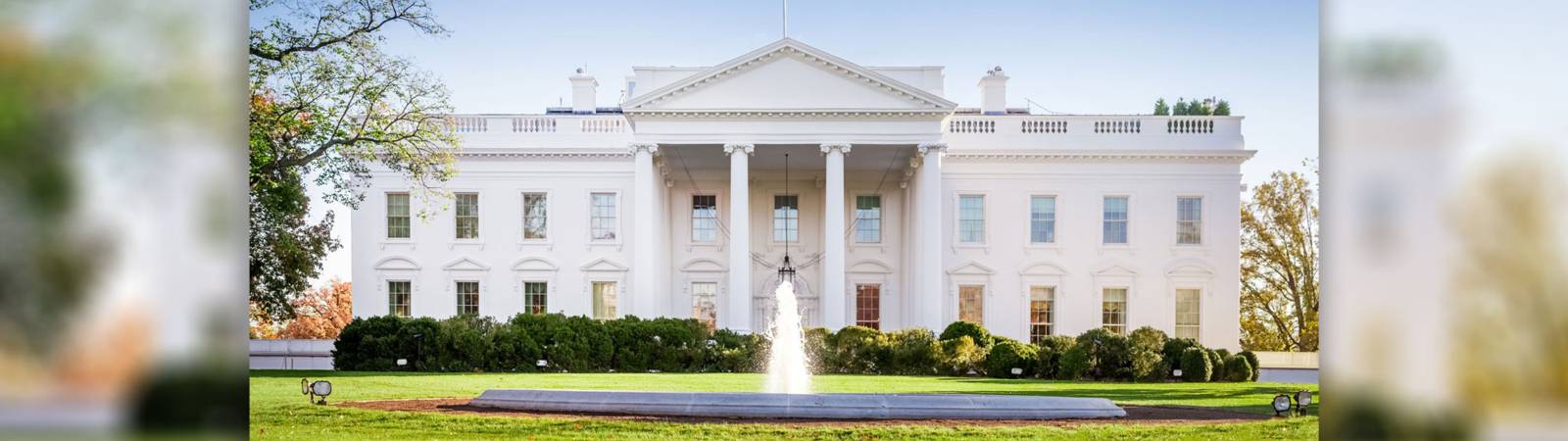
It has been almost a quarter of a century since Bill Clinton left the White House. But the changes and challenges make it seem like it was from a different time.
Precisely speaking, it was. Clinton, the first of the Baby Boomer Presidents, was both the first of the new, but also the last of the old. He was elected at the high-water mark of the WWII generation, but more accurately, as we can see now, also the last gasp of that group’s ideals. He was the first - and really, almost the last of the post-Sputnik embrace of the possibilities powered by hard work and solid mathematics in the form of facts and figures. And he embraced the idea of ‘doing the math’ to prepare for the future. Time and again, he warned us that now was the time to prepare for that moment when the Baby Boomers began to retire - and the financial changes that would bring. And yet, here we are.
Part 1: The Politics of the Possible 1989-2000
The Boomers, as adults in the 1990s, were experiencing the lessons of a world where the workforce had doubled as women entered the job market in the 1970s. It was also at the time when automation began to create more jobs that brute strength and stamina were no longer the key employment skills needed. In the 1970s, attending college, not entering the workforce, became the norm. That resulted in a change that meant wages for professionals seemed to expand, but with inflation, those wages actually fell. Able to manipulate Congress to embrace total deregulation, by the late 1970s, businesses also convinced lawmakers of the need for wide-open markets, thus undercutting the Unions. The myth makers told us ‘the market never lies’ and the people believed them.
As facts and myths gained equal footing, the fuse was lit for an explosive clash – and the complete change in how the political parties engaged and argued became the reality of the 1990s. Mythmakers were mad that their guy had also followed the numbers, and raised taxes. Exit George Bush the elder, the last of the WWII Presidents. Enter William Jefferson Clinton – the first of the Baby Boomers – long known as the ‘me’ generation, the ones interested in instant gratification. He is the opposite of his predecessor. What was the result?
Like JFK, and like Reagan, Clinton’s speeches painted a shining future that was popular with the majority of the public. He accomplished things every President since LBJ has promised, yet he was careful to benefit businesses as well. Still, jobs and individual earnings improved. People in general seemed to benefit, and his popularity remained high.
Yet he became the first President to face impeachment in over a century. While he was sustained in office, his shredded reputation cast a pall on his intended successor, and the results were felt across the country as the popular vote and the Electoral College split for the first time in a century.
Part 2: Hanging by a Chad and the Fall of the Republicans 2001-2009
Thus, America entered the 21st Century with an inexperienced man in the White House. Bush the younger won the office due to a turn of fate, and some would say that fate then turned again. While Clinton had won with far less than 50% of the popular vote, due to the rise of the disaffected voters turning away from the established parties, it caused Clinton to work to gather the voters behind his policies. Support was not a given. Clinton, in his years as governor, had learned to horse trade on issues, and he did that very, very well.
His successor, though, had little experience in any negotiations, and less interest in them. Unlike Reagan, Clinton, or his own father, George W. Bush was not engaged in governance before his election. He had pledged to give back the money Clinton had collected from taxpayers that had created the first federal year to year surplus since 1968. Worry about the future deficits? Why do that?
It was a return to the 1920s. The twist of fate that was the 2000 election put a president in charge who delegated the responsibilities – and the jury was out on what he actually believed the role of government to be.
And exactly like the 1920s, a president who trusted his subordinates without checking if the actions were actually carried out as intended led to extremely troublesome results. Enron? The market never lies!
Then the many additional twists of fate began to hit home.
When the smoke cleared after 9/11, we were engaged in a war powered by contractors who used the U.S. government treasury as a piggy bank, got paid for everything – including contractors paid a hundred times more for driving a truck then the troops laying their lives on the line in the war same war zone.
The deficits – and the distrust - are mounting. When massive storms devastate the South, and the unengaged Federal government is completely unprepared, we witness an America that only our worst nightmares could conger – with video showing us the suffering filling the original Superbowl arena in Dallas. And that is only the tip of the iceberg.
Eventually, the manipulated stock market, used as a paper ATM for decades to power stock buyouts that move the cost to the new buyer and the cash to the pockets of the rich, proved it did not lie. It could see the myths were just that, and it was time to correct. And a market crashed, leaving a carter in cash greater than any before. The difference this time? It fell BEFORE election day, ensuring a change in the party in power. And the emergence of the first person of color to occupy the White House.
Part 3: The Rise of the Tea Party, The Fall of the Republicans 2010-2015
But that result of that would put more pressure on the public than ever before. And the Party lines which had torn during the Clinton era to force a third party flirtation, now ripped apart and created loud and unhappy public gatherings as audiences shouted their disapproval.
It was only the beginning. The 2010s would be a terrible era for politics. And we will watch as it gets worse. It is the Rise of the Tea Party, and no one knew it, but it was also the end of American politics as we knew it.
Join Russ Gifford as we trace how we arrived where we are today. And what tomorrow might bring?