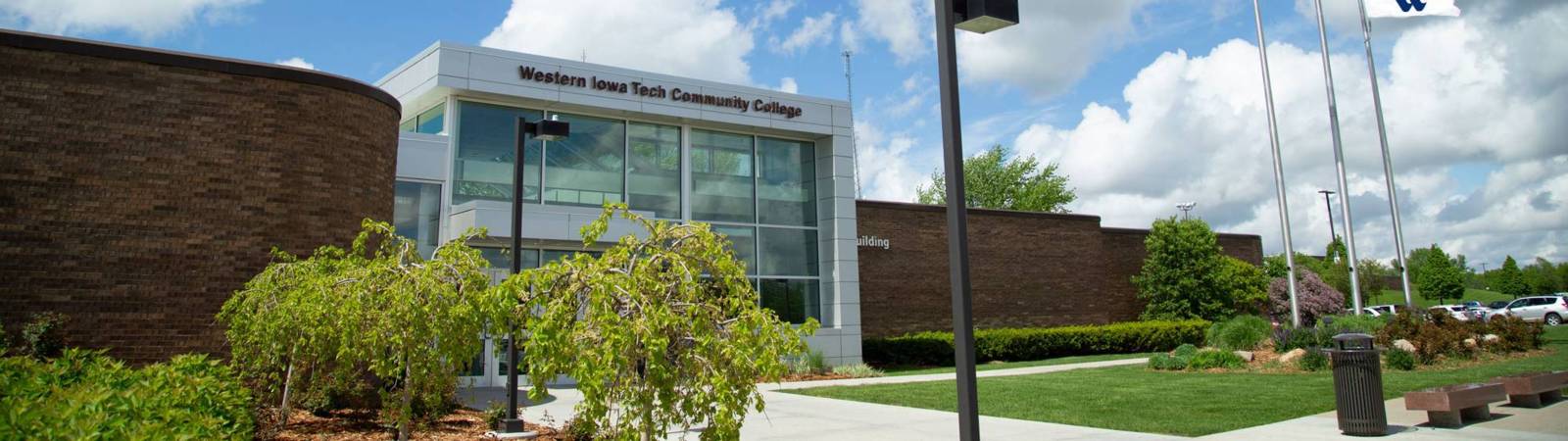
Annual Notice to Students & Employees
Western Iowa Tech Community College (WITCC) is dedicated to maintaining a healthy, safe, and supportive environment for all students, employees, and visitors. The College recognizes that the unlawful or improper use of alcohol and other drugs undermines our educational mission by negatively impacting the well-being, academic success, and workplace performance of our community. WITCC takes these concerns seriously and maintains policies, programs, and services designed to prevent and reduce substance misuse on campus and in the workplace. This annual notice is provided in accordance with the Drug-Free Schools and Communities Act Amendments of 1989 and the Drug-Free Workplace Act of 1988, and serves as a reminder of relevant policies, standards of conduct, and available resources for students and employees. This annual notice includes the following information:
- WITCC standards of conduct that clearly prohibit the unlawful possession, use or distribution of illicit drugs and/or alcohol by students and employees
- A description of legal sanctions under local, state and/or federal law for the unlawful possession or distribution of illicit drugs and/or alcohol
- A description of the health risks associated with the use of illicit drug and alcohol abuse
- A description of available campus and community prevention supports available to members of the campus community
- A clear statement that the College (Western Iowa Tech Community College) will impose sanctions for students and employees, a description of potential sanctions, up to and including expulsion or termination of employments and referral for prosecution, for violations of the standards of conduct or law
Standards of Conduct
Western Iowa Tech Community College has established official policies and procedures clearly outlining the standards of conduct for students and employees.
WITCC Board Policy 506.6 Drug Free College Community
https://www.witcc.edu/about/board/board-policies/506-6/
The College shall endeavor to provide a healthy, safe, and secure educational environment. It is the policy of the Board that, within the powers of the College, reasonable measures shall be taken to establish and maintain a drug-free community as required by the Drug-Free Workplace Act of 1988, the Drug-Free Schools & Communities Act/Amendment of 1988 (PL101-226), and applicable Iowa statutes.
- Policies
- Policies Applicable to All
- The unlawful manufacture, distribution, dispensation, possession, or use of a mood-altering substance on college premises or while conducting College business or attending any College function by employees or students is absolutely prohibited. Violation of this policy may result in disciplinary action up to and including termination of employment or expulsion.
- All students and employees are expected to report for their work assignments unimpaired by the use of a mood-altering substance.
- The use of any prescription drug or medication with intent to induce mood alteration in a manner or amount not prescribed by an attending physician is prohibited while on college premises or while attending College functions.
- The ingestion of any nonprescription chemical on college premises with intent to induce mood alteration is prohibited.
- Any promotional material used for or in conjunction with college activities shall not include advertisement of alcoholic beverages.
- Mood-altering substances as used in this Policy include, but are not limited to, controlled substances as defined in federal and Iowa criminal statutes and alcoholic liquor and beer.
- Policies Applicable to Employees Only
As a condition of employment, PL101-226 and regulations require that employees convicted under a criminal drug statute for any violation occurring on or off college premises while conducting College business must report such occurrence to their immediate supervisor within five (5) days following the conviction. Failure to so report is cause for termination of employment.
- Policies Applicable to All
- Policy, Programs, and Procedures Evaluation and Maintenance
The President or his/her designee shall direct the development of related programming and procedures. This policy and the related programming and procedures will be reviewed on a periodic basis to determine the effectiveness and to ensure that sanctions are consistently enforced.
The Drug-Free College Community Program and Procedures currently in force is hereby incorporated in this Policy by reference thereto.
WITCC Board Policy 400.31 Substance Free Workplace (Pertaining to WITCC Employees)
https://www.witcc.edu/about/board/board-policies/400-31/
It is the policy of the Board that, within the powers of the College, reasonable measures shall be taken to establish and maintain a substance-free workplace as required by the Drug-Free Workplace Act of 1988. Workplace shall include all situations and places wherein employees are engaged in work-related activity.
- Employees are expected to report for their assignments on time and in condition to safely and properly perform the responsibilities of their positions, unimpaired by the unlawful use of a controlled substance. The College shall endeavor to provide a drug-free, healthful, safe and secure work environment.
- The unlawful manufacture, distribution, dispensation, possession, or use of a controlled substance on college premises or while conducting College business off College premises is absolutely prohibited. Violations of this policy may result in disciplinary action up to and including termination and may have legal consequences.
- The College shall establish a drug-free awareness program to inform employees about the dangers of drug abuse, the College's policy of maintaining a drug-free workplace, any available drug counseling, rehabilitation and employee assistance programs, and the penalties that may be imposed for drug abuse violations occurring in the workplace.
- Employees must, as a condition of employment, abide by the terms of this policy and report any conviction under a criminal drug statute for violations occurring on or off college premises while conducting College business. The report must be made to the employee's supervisor and/or the Chief Human Resources Officer within five (5) days following the conviction.
- Within 30 days of receiving a report of conviction as described in paragraph 4 above, the College shall:
- take appropriate personnel action against such employee, up to and including termination, or
- require the employee to participate satisfactorily in a drug abuse assistance or rehabilitation program approved for such purposes by a federal, state, or local health, law enforcement, or other appropriate agency. Failure to successfully participate in a program may subject the employee to discipline up to and including termination.
WITCC Board Policy 805.4 Use of College Facilities and Equipment- Smoke-Free and Tobacco-Free Environment
https://www.witcc.edu/about/board/board-policies/805-4/
Smoking and the use of tobacco products is prohibited in all College facilities and on all College property, including buildings, grounds, and parking lots and in any private or College vehicle located on College property and grounds. Smoking and the use of tobacco products is prohibited in vehicles which are owned, leased, or provided by the College. This restriction applies at all times and to all employees, students, customers, clients, vendors, and visitors.
The use of electronic e-cigarettes is also prohibited. Smoking is defined as the burning or inhaling of tobacco or other matter that can be smoked or inhaled, or the inhaling of smoke or vapor from an electronic smoking device.
Persons failing to abide by this policy shall be required to extinguish and/or dispose of their expended tobacco product or leave the restricted College premises immediately and shall be subject to sanctions and penalties as outlined in the Iowa Smoke-Free Air Act. Iowa Smoke Free Air Act Fact Sheet
STUDENT CODE OF CONDUCT (Pertaining to Students)
The full WITCC Student Code of Conduct is available by clicking the link below:
https://catalog.witcc.edu/content.php?catoid=15&navoid=1187#student-code-of-conduct
Western Iowa Tech Community College students are responsible to conduct themselves in a manner that maintains an educational environment conducive to learning. Students at WITCC are expected to conduct themselves as good citizens in the College community by respecting the rights and property of others. All rules and regulations are in effect 24 hours a day at all WITCC facilities, including WITCC Campus Housing. Regulations also apply for all college-sponsored activities held on or away from the campus.
Applicable Sanctions
Possible Legal Sanctions
There are substantial penalties for drug and alcohol violations. Individuals are subject to federal, state, and local laws, as well as college policies. Both state and federal laws prohibit distribution or manufacture of controlled substances or counterfeit controlled substances. Penalties can result in fines and imprisonment depending on the severity of the crime.
State and local ordinances regulate alcohol. Underage possession of alcohol, driving while intoxicated, public intoxication, public consumption, serving underage, intoxicated individuals, open containers and large private parties are all affected by these laws. Check with the local police department for more information.
Summary of Federal, State, and Local Drug & Alcohol Laws
Federal Laws
- 21 U.S.C. § 844 - Possession of Controlled Substances: Up to 1 year imprisonment and $1,000 fine for first offense.
- 21 U.S.C. § 841 - Manufacture, Distribution, or Possession with Intent to Distribute: 5–10 years to life imprisonment depending on drug type and quantity.
- 21 U.S.C. § 860 - Drug Offenses Near Schools and Colleges: Enhanced penalties for offenses within 1,000 feet of a school or college.
Additional Federal Consequences
- Potential forfeiture of property used in drug offenses
- Potential immigration consequences
Iowa Laws
- § 124.401(1) - Manufacture or Delivery of Controlled Substances: Penalties vary by drug and quantity. Major quantities may result in a Class B felony (up to 25–50 years). Lesser amounts may be Class C or D felonies or aggravated misdemeanors.
- §124.401(5) - Possession of Controlled Substances: First offense is a serious misdemeanor; repeat offenses escalate to felony.
- § 123.46 - Public Intoxication: Simple misdemeanor with fines and potential short jail term.
- §123.47 - Underage Possession or Consumption (PAULA): Simple misdemeanor; repeat offenses may suspend driver’s license.
- Chapter 321J - Operating While Intoxicated (OWI): First offense is a serious misdemeanor; third offense is a Class D felony.
- Iowa Smoke Free Act (IHF 2212) Iowa Smoke Free Air Act Fact Sheet
- Iowa Code Chapter 142D Smoke Free Air Act
- Iowa Code Chapter 142D.3 Prohibition of Smoking-public places, places of employment, and outdoor areas https://www.legis.iowa.gov/docs/code/142D.3.pdf
Iowa Smoke Free Air Act Sanctions for All
- Individuals: Can face a $50 civil penalty for smoking where prohibited.
- Businesses: Subject to fines, with escalating penalties for repeat violations (e.g., up to $100 for the first, up to $500 for subsequent violations within a year).
- Enforcement: Handled by state and local law enforcement, with the Iowa HHS providing support.
Local Laws (Counties & Municipalities)
- Local Ordinances on Alcohol Consumption: Municipal codes typically prohibit public consumption of alcohol except in designated areas and events.
- Local Ordinances on Public Intoxication: Align with state law but may include additional civil penalties or citations.
- Local Enforcement Policies: Local law enforcement coordinates with campus police to address violations involving controlled substances and alcohol.
Disclaimer
This summary is intended for educational and compliance purposes. It does not constitute legal advice. Students and employees should consult applicable federal, state, and local statutes or a legal professional for specific guidance.
College Sanctions
The College is firmly committed to an alcohol and drug free learning and working environment and will impose disciplinary sanctions on students and employees for violations of the established standards of conduct (consistent with local, state and federal law), in accordance with applicable College policy, up to and including expulsion, termination of employment, and referral for prosecution.
Student Sanctions
Students found to be in violation of this policy will be subject to sanctions as outlined in the WITCC Student Code of Conduct. College sanctions may include substance abuse education, community service, reprimand, probation, fines, removal from campus housing, suspension or expulsion. Students found in violation of this policy may be subject to additional sanctions applicable to their specific academic program, athletic eligibility or other affiliation.
In addition to or in lieu of any of the penalties for an act of misconduct under the Student Code of Conduct section in the Student Handbook, when alcohol or drug abuse appears to be a factor, sanctions noted herein may be applied.
Employee Sanctions
When an employee has violated the Drug Free College Community Program and Procedures, the following may apply in addition to, or in lieu of, other existing employee sanctions:
- Verbal recommendation that the employee seek an assessment from an accredited substance abuse treatment agency and follow all subsequent recommendations.
- Referral to an accredited substance abuse treatment agency for an assessment and mandatory adherence to all subsequent recommendations.
- Probationary status pending completion of an assessment and subsequent recommendation at an accredited substance abuse treatment agency.
- Suspension from duties, pending completion of an assessment and subsequent recommendation at an accredited substance abuse treatment agency.
- Termination of employment, with a verbal recommendation that the employee seek an assessment at an accredited substance abuse treatment agency and follow all subsequent recommendations.
Iowa Smoke Free Air Act Sanctions for All
Any individual found to be in violation of the Iowa Smoke Free Air Act will face the following sanctions:
- First offense: Citation, $25 fine
- Second offense: Citation, $50 fine
- Third offense: Citation, Mandatory conduct conference to determine sanctions
Health Risks
Health Risk Associated with Illicit Drug Use
Illicit drug use-including substances such as opioids, cocaine, methamphetamine, marijuana, hallucinogens, and prescription drugs used without a prescription-can lead to serious short- and long-term health consequences:
Addiction and Dependence: Increased risk of substance use disorder and compulsive drug-seeking behavior.
Overdose and Death: Many illicit drugs, especially opioids and stimulants, can cause fatal overdoses.
Cardiovascular Problems: Heart attack, stroke, irregular heartbeat, and high blood pressure.
Respiratory Issues: Lung damage, breathing difficulties, and infections.
Neurological and Mental Health Effects: Anxiety, depression, paranoia, psychosis, seizures, and cognitive impairment.
Organ Damage: Liver, kidney, and gastrointestinal damage.
Infectious Diseases: HIV/AIDS, hepatitis B and C from injection drug use or unsafe practices.
Dental Problems: Severe tooth decay (e.g., “meth mouth”).
Pregnancy Risks: Neonatal abstinence syndrome, developmental delays, and birth defects.
Behavioral Risks: Increased likelihood of accidents, injuries, violence, and risky sexual behavior.
Health Risks Associated with Alcohol Abuse
Alcohol misuse-including binge drinking, heavy drinking, and underage drinking-poses immediate and long-term health risks:
Alcohol Poisoning: Can be fatal; affects breathing and heart rate.
Liver Disease: Fatty liver, hepatitis, cirrhosis, and liver failure.
Heart and Circulatory Problems: High blood pressure, irregular heartbeat, stroke, and heart failure.
Cancer: Increased risk of cancers of the liver, breast, mouth, throat, esophagus, and colon.
Brain and Nervous System Damage: Cognitive impairment, memory loss, peripheral neuropathy.
Mental Health Issues: Depression, anxiety, and increased suicide risk.
Pancreatitis: Severe inflammation of the pancreas.
Reproductive and Developmental Risks: Fetal Alcohol Spectrum Disorders (FASD) and birth defects.
Accidents and Injuries: Falls, burns, motor vehicle crashes, and violence.
Social, Financial and Academic Impacts: Poor performance, strained relationships, legal and financial problems.
Other Potential Impacts
Mental Health Correlation: Substance use increases risk of depression, anxiety, and suicide.
Academic Impact: Missed classes, lower grades, and higher dropout rates.
Career Impact: Poor attendance, performance, accountability and judgement.
Safety Risks: Alcohol-related deaths, assaults, and accidents on campus.
Additional Health Risk Information and Resources
Learn more about substance use disorder, Drugs A-Z, Alcohol’s Effects on Health and more by visiting the following trusted online resources:
Mayo Clinic
- Drug addiction (substance use disorder) - Symptoms and causes
National Institute on Drug Abuse
- Drugs A-Z: https://nida.nih.gov/research-topics/drugs-a-to-z
- Medications for Opiod Overdose, Withdrawal & Addiction: https://nida.nih.gov/research-topics/opioids/medications-opioid-overdose-withdrawal-addiction-infographic
National Institute on Alcohol Abuse & Alcoholism
- Alcohol’s Effects on Health https://www.niaaa.nih.gov/alcohols-effects-health/alcohol-topics/alcohol-facts-and-statistics
Prevention and Supportive Services Are Available
For Students
WITCC students lead full, busy lives, and that can come with challenges or unexpected roadblocks. The College offers a wide range of student resources, from academic support, mental health services, and wellness workshops to support students and staff. If there’s something we don’t offer directly, we can connect members of the campus community to appropriate community supports to address individual concerns. Our goal is to support, connect, and assist students with appropriate tools and resources to help them succeed, both in college and in life. For more information on the many supportive services available to students, visit: https://www.witcc.edu/student-resources/
Free Education and Training
All enrolled College Students are provided with free access to alcohol and drug abuse prevention training courses through the WITCC Vector Solutions Higher Education Students Edition LMS ™ online training and resource library. https://witccstudent-ia.vectorlmsedu.com/training/home
Free & Confidential Counseling Services for Students
Life can be challenging, especially when you’re juggling school, family, work and the many other things that life throws at us. If you’re feeling overwhelmed or just need someone to talk to, a Western Iowa Tech mental health counselor is available for one-on-one counseling. Services are available at the Sioux City, Cherokee, and Denison campuses, or via Zoom appointment during regular college operating hours. After hours, help is available. For more information or to schedule a free and confidential appointment with one of WITCC’s licensed mental health providers, visit:
www.witcc.edu/student-resources/counseling/
WITCC CARE & Prevention Team Assistance
The WITCC CARE & Prevention Team Online Request Form is available and provides an option for students, faculty, staff, or other support persons to report concerns about a student’s well-being, so the college may offer support, resources, or interventions. The CARE & Prevention Team is a multi-disciplinary support team, prepared to connect students with appropriate resources and support to help keep them on track while attending WITCC. This team connects individuals with campus resources such as counseling, health services, disability services, or financial aid. The team can also facilitate connection with additional community resources and support. The CARE & Prevention Team Request Form is designed as a resource for students, faculty and staff to share concerns they have about students who may be in distress in class, on campus, or online. If you would like someone to reach out to a student, access the request form by clicking on the link below. This request form is not intended for urgent matters or emergency situations. Requests are routed to the team during regular business hours and may take 24-48 hours to be reviewed. For life threatening or emergency concerns, contact WITCC Campus Safety department at 712.274.6414 or dial 911.
Submit a request for assistance at https://cm.maxient.com/reportingform.php?WesternIowaTCC&layout_id=6.
Student Engagement & Activities
WITCC offers a broad range of alcohol-free activities: campus speakers, concerts, movie nights, sporting events, student clubs, leadership opportunities, academic supports, social programs, and more. Some activities specifically target evening audiences to divert high-risk evening drinking into pro-social activities.
All student activities are drug and alcohol-free events. There are many student activities throughout the year that encourage student participation in a fun alcohol-free environment. A sample of student activities that took place over the last two years include: (Drunk Driver VR Goggles educational event, annual “WITStock” community concert, carnival games, bowling; on-campus “dinner and a movie”; club activities, comedians, speakers, etc.)
Point of Contact for Student Supports & Information
Tawnya Beermann
Dean of Students
DeanofStudents@witcc.edu
712.317.3227
For Employees
Human Resources personnel meet one-on-one with all new employees to review the WITCC Drug and Alcohol Policy. WITCC is interested in the continued good health and personal well-being of the employees, and we recognize that persons suffering from alcohol or drug dependence can benefit from supportive services. Employees may contact the Human Resources office 712.317.3159 for a referral service. Any such contact will be kept in strict confidence except insofar as may be required by law. In addition, employees may be entitled to apply for a Family Medical Leave under the Family Medical Leave Act to address substance abuse concerns.
All employees, including those who do not qualify for Family Medical Leave, may be eligible for job protected leave or other reasonable accommodations under the ADA if they have a qualifying disability.
Employee Assistance Program (EAP)
Full time employees have access to the Employee Assistance Program (EAP) provided through Health Advocate www.unum.com/lifebalance or 800.854.1446. The College insurance program also provides benefits for mental health counseling and addiction services. Questions on these benefits can be directed to the Human Resources Department.
Free Education and Training Opportunities
All employees are provided with free access to Drug Free Workplace training courses through the WITCC Vector Solutions Higher Education LMS ™ online training and resource library. https://witcc-ia.safecolleges.com/
Narcan/Naloxone Training Workshops are available for employees who are interested in learning how to support victims of opioid overdose.
Point of Contact for Employee Supports & information
Jackie Plendl
Dean of Human Resources
Jackie.Plendl@witcc.edu
712.317.3304
Community Resources
Local and Regional
- Sioux City AA Helpline: (712) 252‑1333 - https://siouxcityaa.org/
- Iowa Narcotics Anonymous: (712) 279‑0733 - https://iowa-na.org/
- Rosecrance Treatment Centers (Iowa): (800) 472‑9018 - https://www.rosecrance.org/locations/
- Quitline Iowa: https://quitlineiowa.org/en-us/
- State of Iowa: https://hhs.iowa.gov/health-prevention/tobacco-use-prevention-control
National
- SAMHSA - Substance Abuse and Mental Health Services Administration: https://www.samhsa.gov/
- Sioux City Alcoholics Anonymous: www.aasiouxcity.org/
- Alcoholics Anonymous (National): https://www.aa.org/
- National Institute on Alcohol Abuse and Alcoholism: https://www.niaaa.nih.gov/
- Foundation for a Drug‑Free World: https://www.drugfreeworld.org/
- National Institute on Drug Abuse: https://nida.nih.gov/
Thank you for reviewing this WITCC Alcohol and Drug Free Campus Community Annual Notice and for doing your part to support a healthy and safe environment for all members of the WITCC Campus Community.